
Almost everyone experiences a dry mouth occasionally.
It may happen after waking up, during a long conversation, after exercise, or when you simply have not had enough water.
But when dry mouth becomes frequent or persistent, it can affect more than comfort.
Saliva plays several important roles in everyday oral wellness. It helps keep oral tissues moist, washes away food particles, supports swallowing and speaking, and helps maintain conditions inside the mouth.
For that reason, understanding why your mouth feels dry — and knowing when it deserves professional attention — can be an important part of a practical oral-care routine.
In this guide, we will look at common causes of dry mouth, why saliva matters, everyday habits that may help, and signs that should be discussed with a dentist or healthcare professional.
What Is Dry Mouth?
Dry mouth is the sensation that there is not enough moisture in the mouth.
The medical term often used for persistent dry mouth is xerostomia.
Dry mouth may occur when saliva production is reduced, but the feeling of dryness does not always mean saliva has completely stopped.
Some people experience occasional dryness.
Others may notice symptoms more regularly, especially at night or after taking certain medications.
Common experiences may include a sticky or dry feeling in the mouth, increased thirst, dry lips, difficulty speaking for long periods, changes in taste, or a dry-feeling tongue.
Persistent symptoms should not simply be ignored, especially if they interfere with eating, speaking, sleeping, or oral comfort.
Why Saliva Matters for Oral Wellness
Saliva does much more than keep your mouth wet.
It helps create a more stable oral environment.
Saliva can help wash away food particles and other debris after eating. It also helps buffer acids produced in the mouth and supports the natural lubrication of oral tissues.
Saliva is also closely connected with the oral microbiome.
Your mouth contains a diverse community of microorganisms living on the tongue, teeth, gums, cheeks, and in saliva.
When the oral environment changes significantly — including changes in moisture and saliva — microbial conditions may change as well.
If you want to understand this relationship in more detail, read our guide to the oral microbiome and everyday dental wellness.
Common Causes of Dry Mouth
Dry mouth can have many possible causes, and more than one factor may be involved.
Not Drinking Enough Fluids
Temporary dehydration can make the mouth feel dry.
Hot weather, exercise, illness, or simply forgetting to drink regularly may contribute.
Drinking water throughout the day is a simple habit that supports normal hydration.
However, persistent dry mouth despite adequate fluid intake may have another cause.
Medications
Many prescription and over-the-counter medications can affect saliva production or contribute to a dry-mouth sensation.
Examples may include some medications used for allergies, mood conditions, blood pressure, pain, sleep, and other health concerns.
Do not stop or change a prescribed medication because of dry mouth without speaking with the healthcare professional who prescribed it.
A doctor, pharmacist, or dentist may be able to discuss practical options for managing the symptom.
Mouth Breathing
Breathing through the mouth can increase dryness, particularly during sleep.
Some people notice that their mouth feels especially dry when they wake up.
Occasional mouth breathing may happen because of temporary nasal congestion, but persistent nighttime mouth breathing may deserve further evaluation.
Smoking and Tobacco
Smoking and other tobacco use can affect oral tissues and may contribute to dryness and irritation.
Tobacco use is also associated with significant oral and overall health risks.
Avoiding tobacco remains an important part of protecting dental and general wellness.
Alcohol
Alcohol can contribute to dehydration, and some alcoholic beverages may leave the mouth feeling dry.
Alcohol-containing oral-care products may also feel irritating to some people with an already dry or sensitive mouth.
Caffeine
Coffee, tea, energy drinks, and other caffeinated beverages are part of many daily routines.
Moderate caffeine intake does not automatically cause problematic dry mouth, but some people notice increased dryness when they consume large amounts or rely on caffeinated beverages instead of water.
Individual responses vary.
Stress and Anxiety
Stress can temporarily change how the mouth feels.
Some people notice a dry sensation during public speaking, stressful situations, or periods of anxiety.
Occasional stress-related dryness may pass when the situation resolves.
Persistent symptoms, however, deserve a broader look at possible contributing factors.
Health Conditions
Certain health conditions can affect saliva production or contribute to dry-mouth symptoms.
Because many different conditions may be involved, persistent dry mouth should not be self-diagnosed from symptoms alone.
A qualified healthcare or dental professional can help assess the situation appropriately.
Why Dry Mouth Can Affect Dental Wellness
When the mouth remains dry for long periods, the normal protective roles of saliva may be reduced.
This can influence several aspects of oral wellness.
Plaque and Food Debris
Saliva helps wash away particles after eating.
When saliva is reduced, food debris and plaque may become more noticeable.
This makes consistent brushing and interdental cleaning especially important.
Breath Freshness
Dry mouth is one possible contributor to unpleasant breath.
Saliva normally helps clear debris and maintain moisture.
When the mouth becomes dry, odor-producing compounds may become more noticeable.
Persistent bad breath can have many causes, however, so it should not automatically be blamed on dry mouth.
Oral Comfort
Low moisture can make the lips, tongue, cheeks, or other oral tissues feel uncomfortable.
Some people may also find speaking, swallowing, or eating certain foods less comfortable when the mouth is very dry.
Teeth and Gums
Saliva contributes to the environment around the teeth and gums.
For people with persistent dry mouth, professional dental care becomes especially important because individual preventive needs may differ.
Dry Mouth at Night

Many people notice dry mouth most strongly after waking.
Several factors may contribute.
Saliva production naturally decreases during sleep, and mouth breathing can make the sensation more noticeable.
Sleeping in a very dry room may also contribute to discomfort.
If nighttime dryness happens frequently, consider discussing it with a dental or healthcare professional, particularly if it is accompanied by loud snoring, breathing concerns, persistent congestion, or other symptoms.
Everyday Habits That May Help Support Oral Comfort
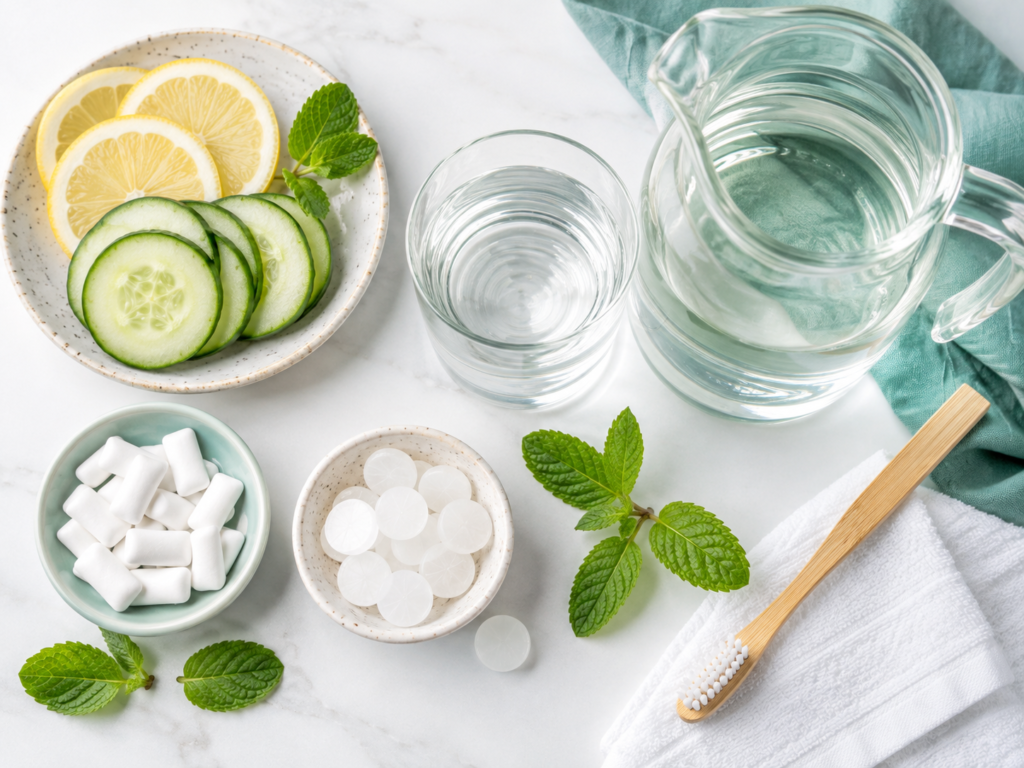
The best approach depends on why your mouth is dry.
Still, several simple habits may support everyday comfort.
Drink Water Regularly
Keep water available throughout the day and drink according to your hydration needs.
Small, regular sips may feel more comfortable than waiting until you become very thirsty.
Water is generally a useful choice because it hydrates without exposing teeth to added sugar.
Maintain Consistent Oral Hygiene
Dry mouth does not make brushing or interdental cleaning less important.
Continue a basic routine that includes brushing appropriately with fluoride toothpaste and cleaning between the teeth.
Our daily oral care routine guide explains how to build a practical morning-to-night routine.
Consider Sugar-Free Gum
Chewing can stimulate saliva production.
For some people, sugar-free chewing gum may temporarily help the mouth feel less dry.
It should be treated as an optional comfort measure rather than a replacement for hydration or dental care.
Choose Foods That Are Easier to Eat
Very dry, salty, or heavily seasoned foods may feel uncomfortable when the mouth is dry.
Adding moisture to meals or choosing softer foods may make eating more comfortable during periods of dryness.
Be Mindful of Sugary Drinks
It may be tempting to sip sweetened beverages throughout the day when the mouth feels dry.
However, repeatedly exposing the teeth to sugar is not an ideal long-term hydration strategy.
Water is usually the better everyday choice.
Avoid Tobacco
Smoking and other tobacco products can irritate oral tissues and carry substantial oral-health risks.
Avoiding tobacco supports both oral and overall wellness.
What About Mouthwash?
Not every mouthwash is designed for the same purpose.
Some contain fluoride, while others focus on breath freshness or antimicrobial activity.
People experiencing dry mouth may find some formulations more comfortable than others.
A strongly flavored or alcohol-containing rinse may feel irritating to some people.
Rather than choosing a product only because it says “fresh breath,” consider why you are using it.
If dry mouth is persistent, a dentist may recommend products specifically suited to your situation.
Can Oral Probiotics Help With Dry Mouth?
Oral probiotics are being studied for several aspects of oral wellness, but they should not be considered a primary treatment for persistent dry mouth.
A probiotic cannot correct every possible cause of reduced saliva or oral dryness.
The most useful first step is understanding why the symptom is happening.
People interested in the broader topic can read our guide to oral probiotics and how they may support oral wellness.
Should You Use Saliva-Substitute Products?
Products designed to moisturize the mouth or temporarily substitute for saliva are available in several forms.
These may include gels, sprays, rinses, or lozenges.
Whether such a product is appropriate depends on individual circumstances.
People with ongoing symptoms may benefit from asking a dentist or healthcare professional which options are suitable for them.
What About Sugar-Free Lozenges?
Some sugar-free lozenges may encourage saliva production and temporarily improve comfort.
Check the ingredients carefully and follow product directions.
Constantly sucking on sugary candies is generally not a good strategy because it repeatedly exposes teeth to sugar.
Dry Mouth and Your Daily Oral Care Routine
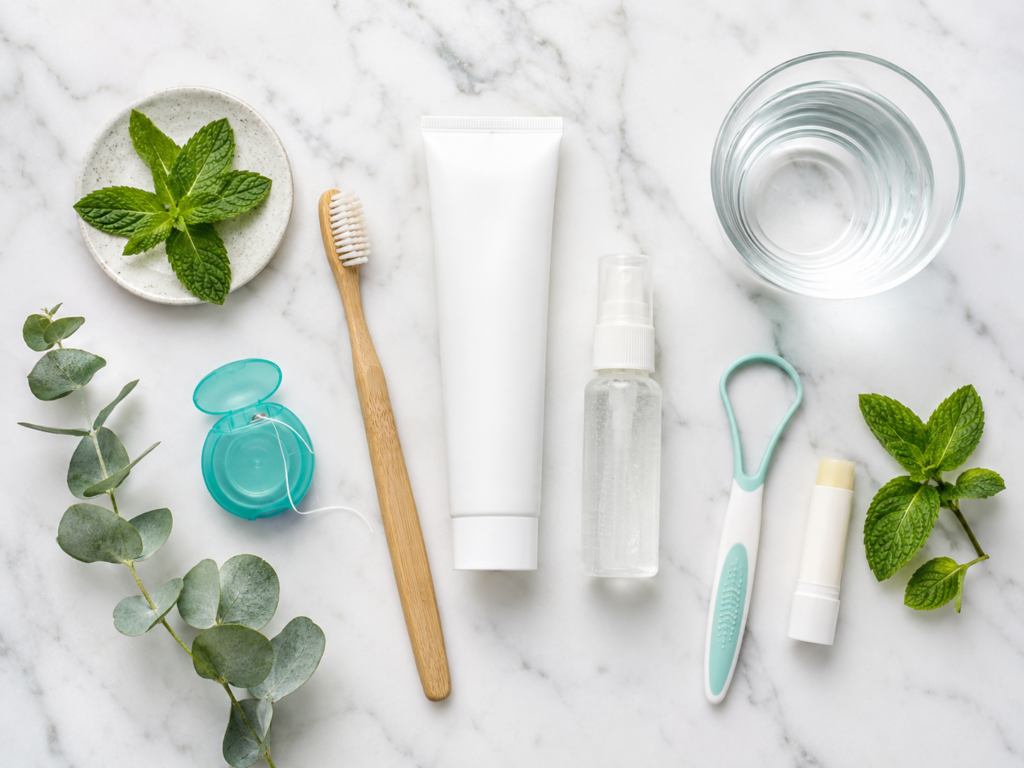
People with a dry mouth may need to pay extra attention to consistency.
A practical routine can still remain simple.
In the morning, brush carefully and begin the day well hydrated.
During the day, keep water accessible and pay attention to habits that seem to make dryness worse.
In the evening, clean between your teeth and brush again before bed.
If dryness is persistent, follow any additional recommendations provided by your dentist.
The goal is not to create a complicated routine.
It is to make the basic routine reliable.
When Should You See a Dentist or Healthcare Professional?
Occasional dry mouth is common.
Persistent dry mouth is different.
Arrange professional advice if dryness continues for an extended period, becomes increasingly uncomfortable, interferes with eating or swallowing, is accompanied by mouth sores or significant oral changes, begins after starting a medication, or occurs alongside other unexplained symptoms.
A professional can help determine whether the issue is primarily related to oral care, medication, hydration, breathing, a health condition, or another factor.
Questions to Ask at a Dental Appointment
If dry mouth has become a recurring problem, it can help to arrive at your appointment with some context.
Think about when the dryness began, whether it is worse at particular times of day, what medications or supplements you use, whether you frequently breathe through your mouth, and what beverages you consume most often.
That information can make the discussion more productive.
Common Mistakes When Dealing With Dry Mouth
One common mistake is assuming that drinking one large glass of water will solve persistent dryness.
Hydration can help when dehydration is part of the problem, but it will not address every possible cause.
Another mistake is constantly using sugary candy or drinks for temporary relief.
It may make the mouth feel more comfortable briefly while increasing sugar exposure to the teeth.
A third mistake is ignoring persistent symptoms simply because they do not hurt.
Oral changes do not always need to be painful to deserve professional attention.
Frequently Asked Questions
What is the most common cause of dry mouth?
There is no single cause that applies to everyone. Dehydration, medications, mouth breathing, lifestyle factors, and health conditions may all contribute.
Is dry mouth always caused by dehydration?
No. Dehydration is one possibility, but persistent dry mouth can occur even when someone drinks adequate fluids.
Can drinking more water cure dry mouth?
Water can help support hydration and provide temporary comfort, but it may not solve dryness caused by medications, health conditions, or other factors.
Does dry mouth cause bad breath?
Dry mouth can contribute to unpleasant breath, but bad breath has many possible causes. Persistent breath concerns should be evaluated in the context of overall oral health.
Is dry mouth worse at night?
It can be. Saliva production decreases during sleep, and mouth breathing may make nighttime dryness more noticeable.
Can mouthwash help dry mouth?
It depends on the formulation. Some products are designed specifically for dry-mouth comfort, while others may feel irritating. A dentist can help recommend appropriate options.
Should I worry about persistent dry mouth?
Persistent or worsening dry mouth deserves professional attention, particularly when it affects eating, swallowing, speaking, sleep, or overall oral comfort.
The Bottom Line
Dry mouth is common, but persistent dryness should not be treated as something you simply have to live with.
Saliva supports comfort, hydration of oral tissues, food clearance, and the overall environment inside the mouth.
Simple habits such as staying hydrated, maintaining consistent oral hygiene, avoiding tobacco, and reducing repeated sugary drink exposure may help support everyday oral comfort.
But because dry mouth can have many causes, long-lasting symptoms deserve professional evaluation.
The most useful strategy is not to mask the symptom indefinitely.
It is to understand why it is happening and build an oral-care routine around your individual needs.
Medical Disclaimer: This article is for general educational purposes only and is not intended to provide medical or dental advice, diagnosis, or treatment. Persistent dry mouth can have multiple causes. Consult a qualified dentist, physician, pharmacist, or other healthcare professional regarding individual symptoms, medications, or health concerns.