

Most people think about oral health in terms of teeth, gums, brushing, and flossing. But there is another part of your mouth that is getting more attention in wellness research: the oral microbiome.
Your mouth is home to a large and diverse community of microorganisms. These include bacteria and other microbes that naturally live on your teeth, tongue, gums, cheeks, and in your saliva.
That may sound surprising, but having microorganisms in your mouth is completely normal.
The goal of good oral care is not to create a bacteria-free mouth. Instead, everyday dental wellness depends in part on maintaining an environment where different microorganisms can coexist without allowing potentially harmful species to become overly dominant.
In this guide, we’ll explore what the oral microbiome is, what may influence it, how it relates to everyday oral wellness, and practical habits that can help support a healthier mouth.
What Is the Oral Microbiome?
The oral microbiome is the community of microorganisms that lives inside the mouth.
These microorganisms are found throughout the oral cavity, including on:
- Teeth
- Tongue
- Gums
- Inner cheeks
- Dental surfaces
- Saliva
Hundreds of microbial species may be present in the mouth, and they do not all behave in the same way.
Some are considered normal members of the oral environment. Others may become more problematic when conditions in the mouth change.
Rather than thinking of oral bacteria as simply “good” or “bad,” it can be more helpful to think about balance.
A stable oral environment supports many different microorganisms living together. When that balance changes significantly, certain species may have more opportunity to grow.
Why the Oral Microbiome Matters
Your oral microbiome interacts constantly with your daily habits.
Every time you eat, drink, brush your teeth, use mouthwash, or experience changes in saliva production, the environment inside your mouth can shift.
Researchers continue to study how these microbial communities relate to areas such as plaque formation, gum wellness, breath freshness, and other aspects of oral health.
This does not mean the oral microbiome is the only factor that matters.
Dental wellness is also influenced by genetics, diet, hygiene, saliva, lifestyle, professional care, medications, and many other factors.
Still, understanding the oral microbiome offers a useful way to think about why consistent oral-care habits matter.
The Mouth Is an Ecosystem, Not a Sterile Environment
It is easy to assume that the healthiest mouth is one with as few bacteria as possible.
In reality, the mouth is an ecosystem.
Microorganisms compete for nutrients and space, interact with saliva, and attach themselves to different surfaces.
Some live primarily on the tongue. Others prefer dental surfaces or areas around the gums.
This means oral care is not simply about killing microorganisms.
A more realistic goal is to control plaque, reduce conditions that favor potentially harmful bacteria, and support an oral environment that remains relatively balanced.
What Can Affect the Oral Microbiome?
The oral microbiome is dynamic. It can change in response to everyday habits and health conditions.
Diet
What you eat can influence the environment inside your mouth.
Frequent intake of sugary foods and beverages gives certain oral bacteria access to carbohydrates they can metabolize.
The frequency of exposure matters as well as the amount.
Constantly sipping sweetened beverages or snacking throughout the day may repeatedly change the conditions around your teeth.
A balanced diet and less frequent exposure to added sugars can support broader oral-health goals.
Oral Hygiene

Brushing and cleaning between the teeth help remove plaque and food debris.
Without regular cleaning, bacterial communities can accumulate on tooth surfaces and around the gumline.
That is one reason consistent brushing and interdental cleaning remain central to oral wellness.
The goal is not to eliminate every microorganism. It is to prevent excessive buildup and maintain cleaner oral surfaces.
Saliva
Saliva plays an important role in the mouth.
It helps wash away food particles, lubricate oral tissues, and buffer acids.
When saliva production is reduced, the oral environment can change.
Dry mouth may occur for many reasons, including dehydration, certain medications, lifestyle factors, or health conditions.
People who frequently experience dry mouth should discuss it with a dental or healthcare professional.
Smoking and Tobacco Use
Smoking and other forms of tobacco use can affect oral tissues and the environment in which oral microorganisms live.
Tobacco use is also associated with significant dental and overall health risks.
Avoiding tobacco remains one of the most meaningful steps a person can take for oral and general wellness.
Medications and Health Conditions
Certain medications can affect saliva production or other aspects of the oral environment.
Medical conditions may also influence oral health in different ways.
If you notice major or persistent changes in your mouth after starting a medication, speak with a qualified healthcare or dental professional rather than changing your medication on your own.
How Does the Oral Microbiome Relate to Plaque?
Dental plaque is a structured community of microorganisms that can develop on tooth surfaces.
It is not simply leftover food.
When plaque remains on the teeth for extended periods, the microorganisms within it can interact with sugars and other nutrients from the diet.
Regular brushing and interdental cleaning help disrupt these microbial communities before excessive buildup develops.
This is one reason mechanical cleaning remains so important even as newer products such as oral probiotics become more popular.
Supplements cannot physically remove plaque from tooth surfaces.
The Oral Microbiome and Fresh Breath
Bad breath can have many possible causes.
Food, dry mouth, tongue coating, gum problems, smoking, and certain medical conditions may all contribute.
Microorganisms on the tongue and elsewhere in the mouth can also produce compounds associated with unpleasant odors.
Good oral hygiene may help by reducing food debris and excessive bacterial buildup.
Cleaning the tongue, staying hydrated, and maintaining regular dental care can be particularly useful parts of a fresh-breath routine.
Persistent bad breath should not simply be covered up with mints or supplements. A dental professional can help identify possible underlying causes.
The Oral Microbiome and Gum Wellness
The area where the teeth and gums meet contains its own microbial environment.
When plaque accumulates around the gumline, the surrounding tissues may become irritated.
Consistent brushing, interdental cleaning, and professional dental care are therefore important for gum wellness.
Research continues to explore how shifts in oral microbial communities relate to gum health, but supplements should never be viewed as substitutes for established dental care.
Bleeding, swollen, painful, or receding gums should be evaluated by a dental professional.
Can You Improve Your Oral Microbiome?
There is no single product or routine that can guarantee a “perfect” oral microbiome.
Your microbial community is influenced by many factors, and every person’s oral environment is somewhat different.
However, healthy everyday habits can help create conditions that support overall oral wellness.
A practical routine may include brushing twice daily with fluoride toothpaste, cleaning between the teeth, staying well hydrated, limiting frequent sugary snacks and beverages, cleaning the tongue, avoiding tobacco, and having regular dental checkups.
These fundamentals remain more important than any individual supplement.
Where Do Oral Probiotics Fit In?
Interest in oral probiotics has increased as researchers learn more about microbial communities in the mouth.
Oral probiotic products typically contain selected microorganisms intended to support microbial balance in the oral cavity.
They are often available as dissolvable tablets or lozenges so that the microorganisms can spend more time in contact with oral surfaces.
However, oral probiotics should be seen as an optional addition to oral care rather than a replacement for brushing, flossing, or dental treatment.
If you want to explore this topic in more detail, read our guide to oral probiotics and how they may support oral wellness.
What About Antibacterial Mouthwash?
Mouthwash can serve several different purposes depending on its formulation.
Some products are designed primarily for breath freshness. Others contain fluoride or antimicrobial ingredients.
Because mouthwashes differ significantly, they should not all be treated the same way.
Using a mouthwash does not automatically mean that it is “bad” for the oral microbiome.
The important question is why you are using it and whether the product is appropriate for your needs.
If your dentist has recommended a specific rinse for a particular reason, follow that professional guidance.
Does Diet Support a Healthy Mouth Environment?

Diet can influence oral health in several ways.
One of the most important considerations is how frequently teeth are exposed to sugars and acidic beverages.
Water is generally a tooth-friendly beverage because it helps with hydration and does not expose teeth to added sugar.
Whole foods that require chewing may also stimulate saliva.
However, no specific food can independently “fix” the oral microbiome.
Diet should be viewed as one part of a broader oral-wellness routine.
Simple Habits for Everyday Oral Wellness
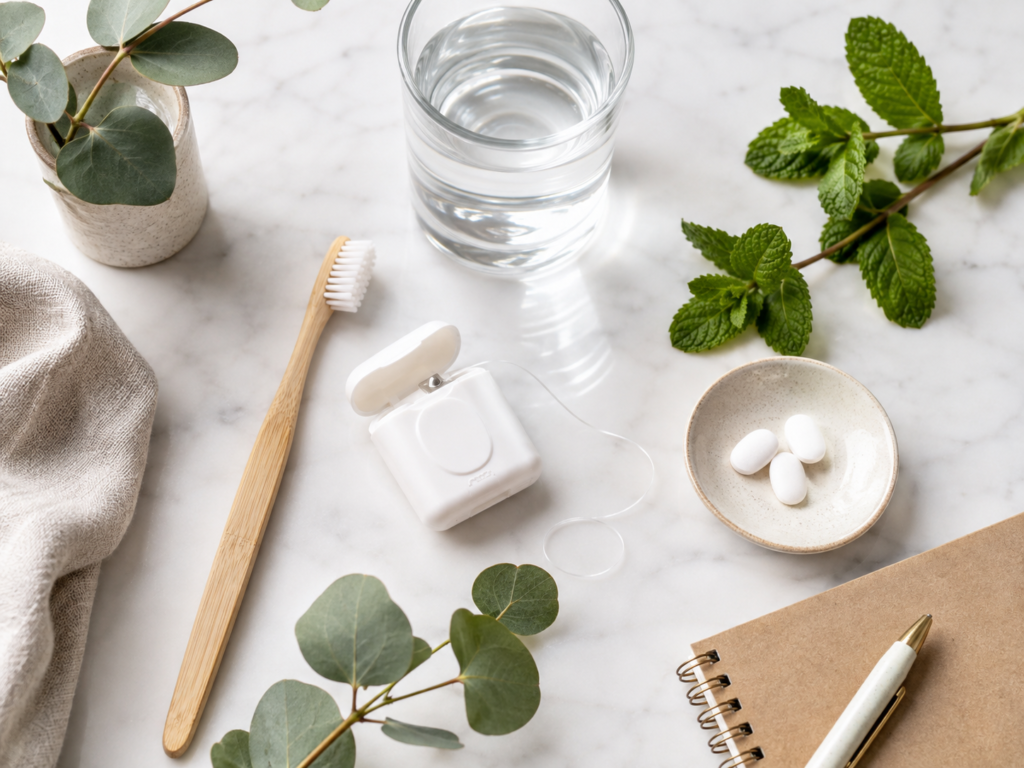
You do not need an elaborate routine to support your mouth.
In fact, consistency usually matters more than complexity.
Morning
Brush carefully with fluoride toothpaste and clean your tongue if that is part of your routine.
During the Day
Drink water regularly and avoid continuously sipping sugary drinks.
Evening
Brush again and clean between your teeth using floss, interdental brushes, or another method that works for you.
Regularly
Schedule appropriate dental examinations and professional cleanings based on your individual needs and your dentist’s recommendations.
These habits help manage plaque and support a cleaner oral environment regardless of whether you use additional wellness products.
Signs That Deserve Professional Attention
Learning about the oral microbiome can be useful, but it should not lead you to self-treat persistent dental symptoms.
Seek professional dental advice if you experience problems such as ongoing tooth pain, swollen gums, frequent gum bleeding, persistent bad breath, loose teeth, mouth sores that do not heal, or significant changes in your mouth.
These symptoms may have many possible causes and should not be diagnosed based on microbiome theories or supplement marketing.
Frequently Asked Questions
Is all bacteria in the mouth harmful?
No. The mouth naturally contains many different microorganisms, and not all of them are harmful. Oral wellness is more closely related to managing the overall environment than eliminating every bacterium.
Can brushing damage the oral microbiome?
Normal brushing is an essential part of dental care. It helps control plaque and remove debris from tooth surfaces. There is no reason to avoid proper brushing out of concern about removing beneficial bacteria.
Does mouthwash kill good bacteria?
Different mouthwashes have different ingredients and purposes. Some antimicrobial rinses affect bacteria broadly, but whether a mouthwash is appropriate depends on why it is being used. Follow product instructions and professional dental advice.
Can probiotics improve the oral microbiome?
Certain oral probiotic strains are being studied for their potential role in supporting microbial balance. Research is still developing, and probiotics should complement rather than replace established dental care.
How can I tell if my oral microbiome is healthy?
There is no simple at-home test that can fully define a “healthy” oral microbiome for everyone. Practical indicators of oral wellness include comfortable gums, controlled plaque, absence of persistent symptoms, and regular professional dental evaluations.
The Bottom Line
Your mouth is more than a collection of teeth and gums.
It is a living ecosystem containing diverse microbial communities that interact with your diet, saliva, oral hygiene, and lifestyle every day.
Understanding the oral microbiome can help explain why dental wellness depends on consistency rather than quick fixes.
The most useful approach is still surprisingly simple: brush properly, clean between your teeth, stay hydrated, manage sugar exposure, avoid tobacco, and visit your dentist regularly.
Products designed to support the oral microbiome may have a place in some routines, but they should remain secondary to those fundamentals.
A healthier mouth is usually built through everyday habits — not a single product.
Medical Disclaimer: This article is for general educational purposes only and is not intended to provide medical or dental advice, diagnosis, or treatment. Always consult a qualified healthcare or dental professional regarding individual health concerns.