

Oral probiotics have become more visible in lozenges, tablets, chewables, and other wellness products, but many people still wonder what oral probiotics do and whether they really belong in a daily oral-care routine.
The short answer is that oral probiotics are designed to introduce selected beneficial microorganisms into the mouth. Their intended role is to support the oral environment—not to replace brushing, flossing, fluoride toothpaste, professional cleanings, or treatment from a dentist.
That distinction matters. If you understand what oral probiotics are meant to do, what they cannot do, and how they may fit into a broader routine, it becomes much easier to evaluate them realistically.
What Are Oral Probiotics?
Your mouth is home to a large community of microorganisms, including many different species of bacteria. Together, they form what is commonly called the oral microbiome.
Not every bacterium in the mouth is harmful. The oral microbiome is a complex ecosystem, and its composition can be influenced by diet, oral-hygiene habits, saliva, medications, tobacco use, dental conditions, and other factors.
If you want a deeper introduction to this topic, see our guide to the oral microbiome and everyday dental wellness.
Oral probiotics are products that contain selected microorganisms intended for use in the mouth. They may come in formats such as lozenges, chewables, or tablets that remain in contact with the oral cavity before being swallowed.
They are not necessarily the same as digestive probiotics. The strains used, product format, and intended area of use may differ.
What Do Oral Probiotics Do?
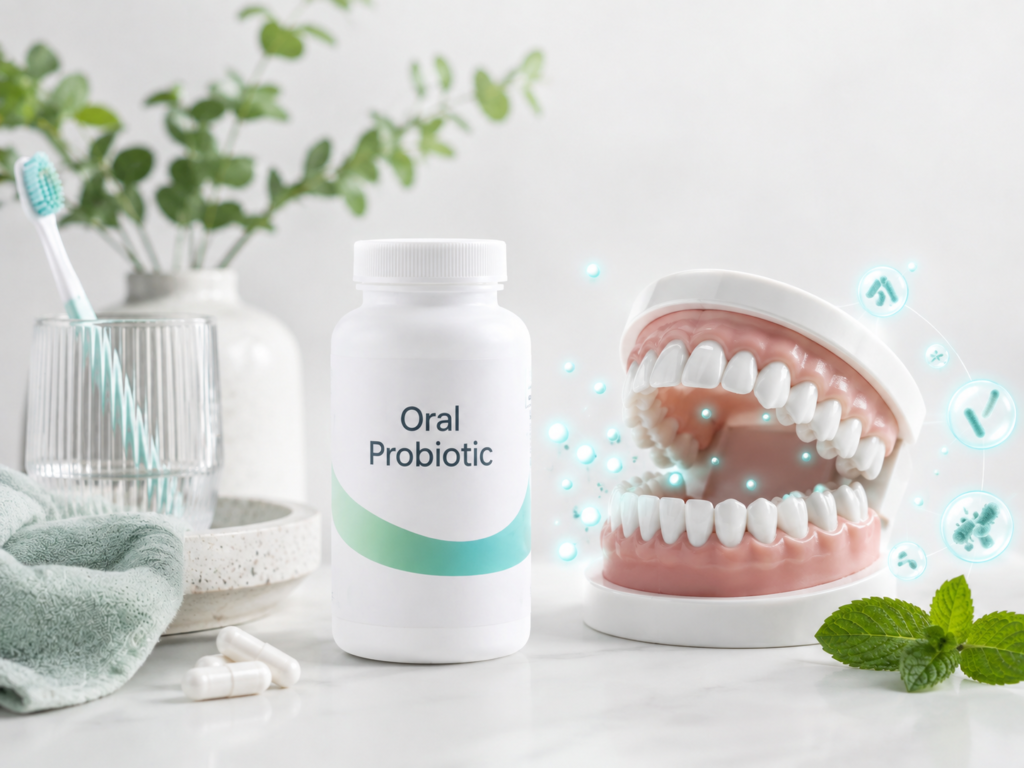
The most useful way to think about oral probiotics is as a supportive addition to oral care.
Their intended purpose is generally to introduce selected beneficial microorganisms into the oral environment. Researchers continue to study how specific strains may interact with oral bacteria and how useful those interactions may be for different people.
That means two things are important from the start:
- oral probiotics should not be treated as a cure-all; and
- results may vary depending on the strain, the product, the person, and the rest of the oral-care routine.
In other words, oral probiotics are best viewed as one possible tool within a larger oral-wellness strategy.
1. They May Support a More Balanced Oral Environment
One of the main ideas behind oral probiotics is microbial balance.
Your mouth already contains many different microorganisms. Rather than trying to eliminate every bacterium, oral probiotics are designed around the concept of supporting a more favorable microbial environment.
That does not mean a probiotic can “reset” the mouth or guarantee a particular outcome. The oral microbiome is influenced by many everyday factors, including:
- brushing and interdental cleaning
- food and beverage habits
- saliva flow
- hydration
- smoking or tobacco use
- medications
- existing dental conditions
- overall health
Because so many variables are involved, an oral probiotic should be seen as a supporting measure rather than the main driver of oral health.
2. They May Be Used as Part of a Fresh-Breath Routine
Some people become interested in oral probiotics because of breath concerns.
Certain bacteria can contribute to unpleasant odors, so it is understandable that products designed to influence the oral microbial environment are often marketed for fresh-breath support.
However, bad breath has many possible causes. These can include:
- food residue
- plaque buildup
- tongue coating
- dry mouth
- smoking
- gum problems
- cavities
- other health conditions
If bad breath is persistent, it is more useful to investigate the cause than to keep covering it with mints, mouthwash, or supplements.
Dryness can also contribute to oral discomfort and breath concerns. If that sounds familiar, our guide to common causes of dry mouth and ways to support oral comfort may be useful.
3. They May Complement a Consistent Oral-Care Routine
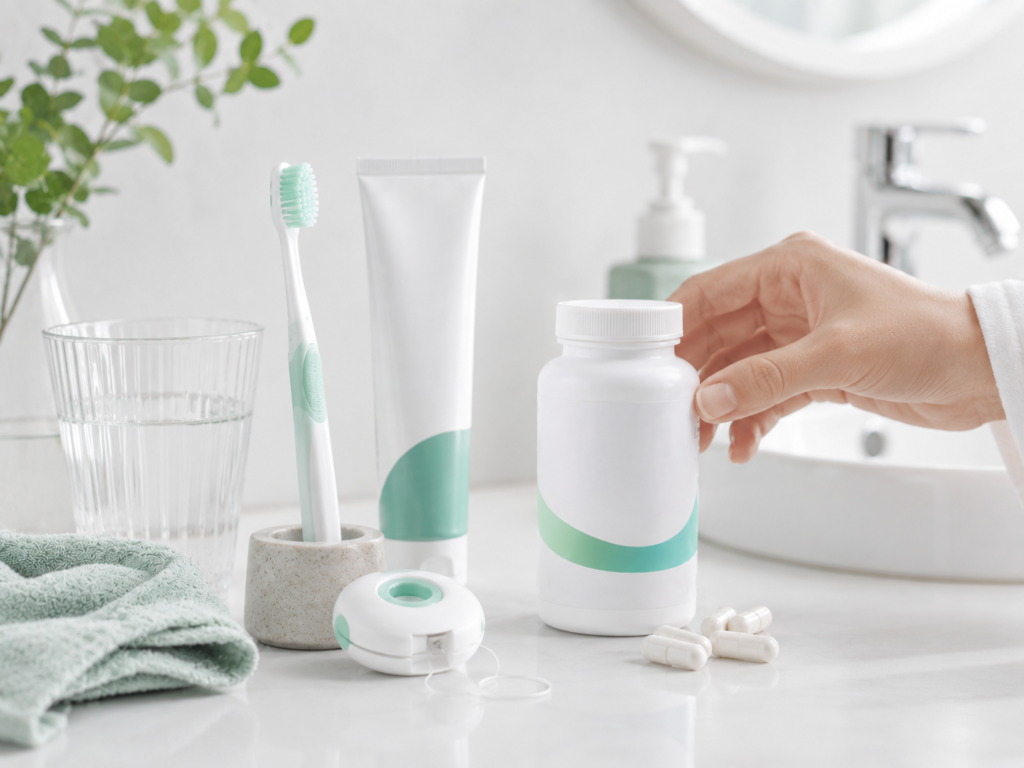
Oral probiotics make the most sense when the basics are already in place.
A strong daily foundation typically includes:
- brushing regularly with an appropriate fluoride toothpaste
- cleaning between the teeth
- cleaning the tongue when appropriate
- staying adequately hydrated
- limiting frequent exposure to sugary foods and drinks
- getting routine dental care
An oral probiotic may then be considered an optional addition to that routine.
If your basics are inconsistent, adding another supplement usually makes the routine more complicated without fixing the foundation.
For a simple structure you can follow, see our Daily Oral Care Routine: A Practical Morning-to-Night Guide.
What Oral Probiotics Cannot Do
Understanding the limits is just as important as understanding the potential role.
Oral Probiotics Do Not Replace Brushing
Brushing physically removes plaque and food debris from tooth surfaces. An oral probiotic does not perform that mechanical cleaning.
For most people, regular brushing with fluoride toothpaste remains a core part of daily oral care unless a dental professional recommends otherwise.
They Do Not Replace Flossing or Interdental Cleaning
A toothbrush cannot clean every space between the teeth. Floss, interdental brushes, water flossers, or other dentist-recommended tools can help clean those areas.
Taking an oral probiotic does not make interdental cleaning unnecessary.
They Do Not Treat Cavities, Gum Disease, or Infections
Oral probiotics should not be used as a substitute for diagnosis or treatment.
If you have persistent pain, bleeding gums, swelling, loose teeth, mouth sores, or another concerning change, a supplement should not delay a dental appointment.
They Do Not Guarantee Fresh Breath or “Perfect” Oral Bacteria
The mouth is too complex for one supplement to guarantee a specific microbial balance or permanent fresh breath.
Be cautious with products that promise dramatic, immediate, or guaranteed results.
When Should You Take an Oral Probiotic?
There is no universal schedule that applies to every oral probiotic product.
Timing may depend on the product format, the strains used, and the manufacturer’s directions. Some products are designed to dissolve slowly in the mouth, while others may be chewed or swallowed.
The most practical rule is simple: follow the specific directions on the product label rather than assuming every oral probiotic should be taken the same way.
Consistency is usually more useful than creating an unnecessarily complicated schedule.
How Long Does It Take for an Oral Probiotic to Work?
There is no single timeline that applies to everyone.
Oral probiotics are not breath mints, and they should not be expected to create an immediate or guaranteed change. Their intended role involves interaction with the oral environment, which is more complex than producing a temporary sensation of freshness.
The strain, dose, product format, consistency of use, and individual oral environment can all influence the experience.
This is another reason to be cautious about products that promise dramatic changes in a very short period.
How to Evaluate an Oral Probiotic Before Buying
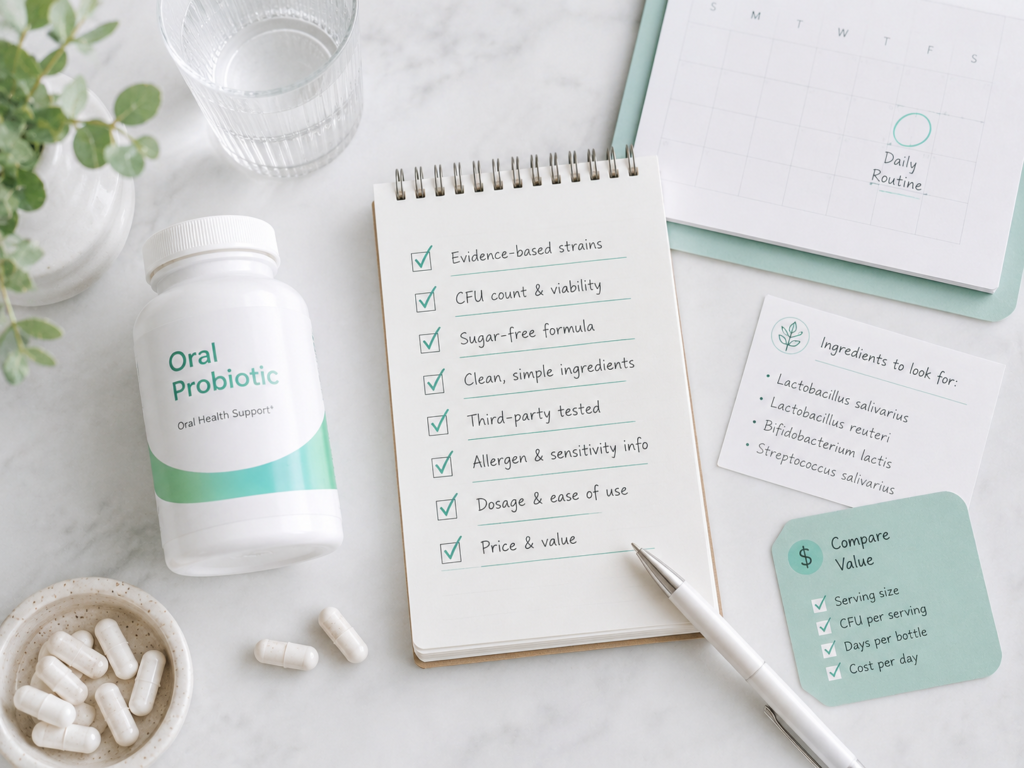
If you decide to try an oral probiotic, avoid choosing one based only on the biggest number or boldest promise on the label.
Instead, compare practical details such as:
- clearly identified probiotic strains
- product format
- directions for use
- additional ingredients
- storage requirements
- serving size
- manufacturer transparency
- price per serving
- realistic marketing language
For a full comparison framework, read How to Choose an Oral Probiotic: 7 Factors to Compare Before Buying.
The goal is not to find the product with the most impressive advertising. It is to understand what you are buying and whether it fits your routine.
Are Oral Probiotics Necessary for Everyone?
No.
Oral probiotics are an optional wellness product, not a requirement for good oral hygiene.
Many people can build a strong oral-care routine without using them at all. Brushing, cleaning between the teeth, appropriate fluoride use, hydration, diet, and regular dental care remain much more fundamental.
If you are curious about oral probiotics, it is reasonable to evaluate them as an addition—not as something you must take to maintain a healthy mouth.
Who Should Talk to a Dentist Before Using One?
Professional guidance can be especially helpful if you:
- have ongoing gum or dental problems
- experience persistent bad breath
- have frequent or severe dry mouth
- are currently receiving dental treatment
- have a medical condition that affects oral health
- take medications that affect saliva or the immune system
- are unsure whether a supplement is appropriate for you
If symptoms are persistent, worsening, or painful, getting the underlying issue evaluated is more important than adding another product.
Frequently Asked Questions
What do oral probiotics do for your mouth?
They are designed to introduce selected beneficial microorganisms into the oral environment. Their role is generally supportive, and they should be used alongside—not instead of—standard oral-care habits.
Are oral probiotics the same as gut probiotics?
Not necessarily. Oral and digestive probiotic products may use different strains and delivery formats because they are intended for different environments.
Can oral probiotics replace mouthwash?
No. They serve different purposes. Mouthwash products may be designed for fluoride delivery, freshness, antiseptic activity, or other specific uses, while oral probiotics are designed around microorganisms in the oral environment.
Can I stop flossing if I use an oral probiotic?
No. Oral probiotics do not physically remove plaque or food debris from between the teeth.
Do oral probiotics help with bad breath?
Some oral probiotic products are marketed for fresh-breath support, but bad breath can have many causes. Persistent bad breath deserves evaluation rather than relying on a supplement alone.
Are oral probiotics safe for everyone?
Not every supplement is appropriate for every person. If you have a medical condition, are receiving treatment, take medications, or have concerns about using probiotics, ask a qualified healthcare professional for individualized advice.
The Bottom Line
So, what do oral probiotics do?
They are designed to introduce selected beneficial microorganisms into the mouth and may be used as an optional way to support the oral environment.
Their role should remain realistic. Oral probiotics do not replace brushing, interdental cleaning, fluoride, professional dental care, or treatment for dental problems.
The best approach is to build a reliable oral-care foundation first. Then, if you are interested in adding an oral probiotic, compare products carefully, follow the label directions, and avoid products that promise more than a supplement can reasonably deliver.
Medical Disclaimer: This article is for general educational purposes only and is not intended as medical or dental advice, diagnosis, or treatment. Oral-health needs vary between individuals. Consult a qualified dentist, physician, pharmacist, or other healthcare professional if you have persistent symptoms, medical conditions, take medications, or have questions about using supplements.